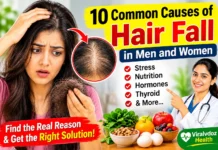




















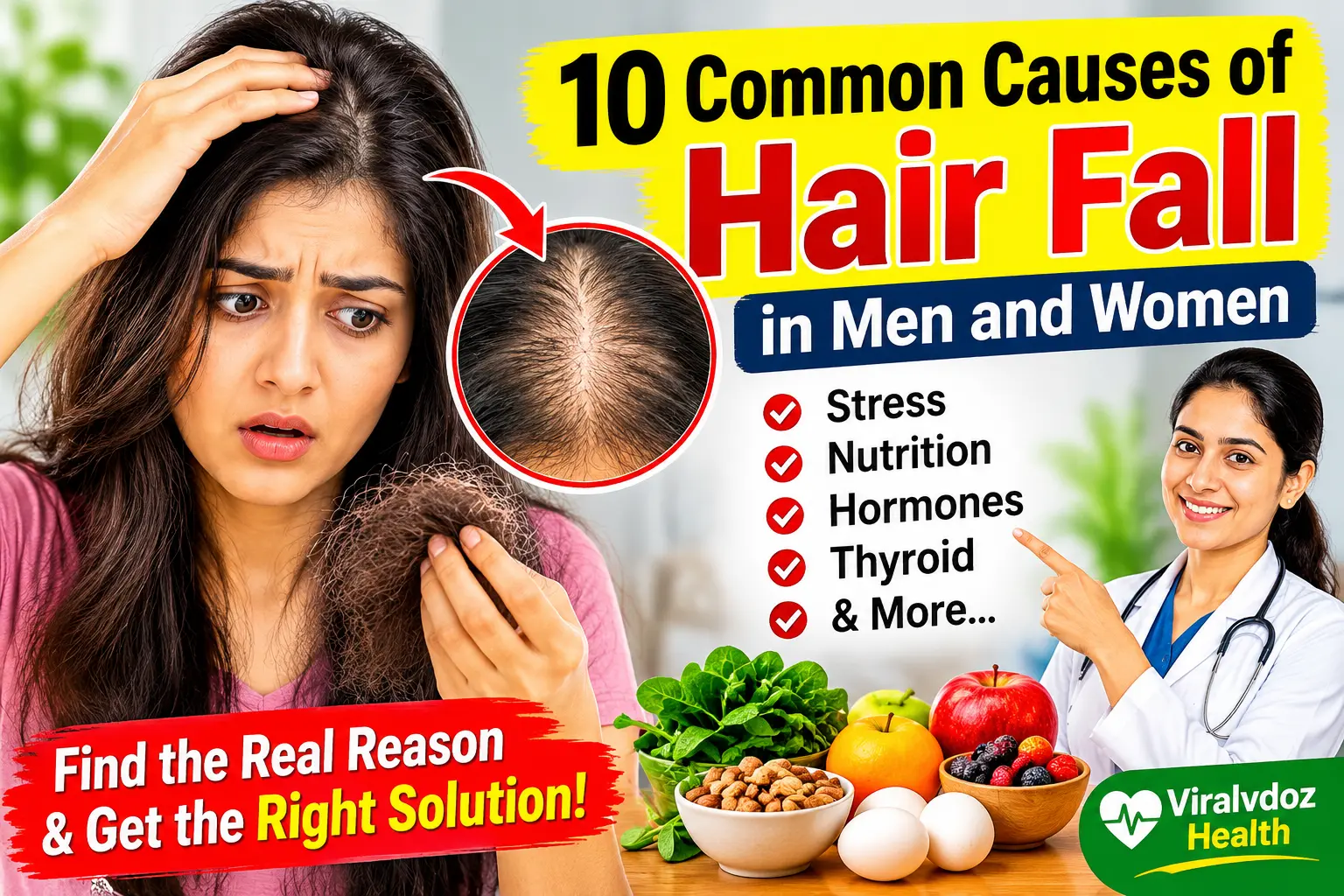
10 Common Causes of Hair Fall in Men and Women
Hair fall can affect people at different ages, regardless of gender. Some people notice more hair on their pillow or in the shower, while others experience gradual thinning, a widening hair parting, a receding hairline or visible bald patches.
But what actually causes hair fall?
The most common causes include hereditary hair loss, hormonal changes, physical or emotional stress, nutritional deficiencies, thyroid disorders, certain medications and scalp conditions. Hair can also become weak and break because of excessive heat, chemical treatments and tight hairstyles.
Understanding the reason behind hair fall is the first step towards choosing the right treatment. Not every type of hair loss is permanent, and not every type can be treated with oils, shampoos or dietary changes.
In this guide, we explain 10 common causes of hair fall in men and women, their possible warning signs and when you should consult a dermatologist.
Medical disclaimer: This article provides general educational information and is not a substitute for medical diagnosis or treatment. Consult a qualified dermatologist for persistent, sudden or unexplained hair loss.
1. Hereditary Hair Loss (Genetic Factors)
Genetics is one of the most common causes of gradual hair thinning in both men and women.
This condition is medically known as androgenetic alopecia, or male-pattern and female-pattern hair loss. It is associated with inherited susceptibility of hair follicles to hormonal influences.
How does hereditary hair loss appear in men?
Men may notice:
- A receding hairline around the temples
- Thinning near the crown
- Gradual reduction in hair density
- An increasingly visible scalp
How does hereditary hair loss appear in women?
Women may experience:
- A widening central hair parting
- Reduced hair density over the crown
- Gradual thinning across the top of the scalp
- Thinner ponytails or reduced hair volume
Hereditary hair loss usually develops gradually. It can affect people at different ages, and having a family history can increase the likelihood of developing it.
What should you do? Early assessment by a dermatologist can help identify the pattern and discuss appropriate treatment options. Early diagnosis may help slow progression.
2. Physical and Emotional Stress
Stress can affect the normal hair-growth cycle. Significant physical or emotional stress may trigger a condition called telogen effluvium, in which more hair follicles than usual enter the resting and shedding phase.
Possible triggers include:
- Prolonged emotional stress
- Major personal or professional difficulties
- Surgery or hospitalisation
- Serious infections
- High fever
- Physical trauma
- Sudden or substantial weight loss
One important detail is that stress-related hair fall may not begin immediately. Increased shedding can become noticeable a few months after the triggering event.
People may notice more hair coming out while washing, combing or brushing.
What should you do? Identify and address the underlying trigger with appropriate professional support. Maintain a balanced diet, regular sleep and manageable physical activity. Persistent shedding should be assessed rather than automatically attributed to stress.
3. Nutritional Deficiencies and Poor Diet
Hair follicles require adequate nutrition to function normally. A restrictive diet or nutritional deficiency may contribute to excessive shedding or poor hair health.
Nutrients that may be relevant include:
- Iron: Low iron stores can be associated with hair shedding in some people.
- Protein: Inadequate protein intake can affect normal hair growth.
- Vitamin B12: Deficiency may occur with certain dietary patterns or absorption problems.
- Vitamin D: Low levels have been associated with some hair-loss conditions.
- Zinc: Severe deficiency can affect hair growth.
Dietary risk can be relevant for people following crash diets, highly restrictive eating patterns or unbalanced vegetarian diets.
However, hair fall does not automatically mean you have a vitamin deficiency.
What should you do? Eat a varied diet containing adequate protein, pulses, beans, vegetables, fruits, nuts and suitable sources of iron and other nutrients. A doctor may recommend blood tests based on your symptoms and medical history. Avoid taking high-dose supplements without medical advice.
4. Hormonal Changes and Imbalances
Hormones play an important role in regulating hair growth. Changes in hormonal levels or certain endocrine conditions may contribute to hair thinning and excessive shedding.
Examples include:
Polycystic ovary syndrome (PCOS)
Some women with PCOS experience scalp hair thinning alongside irregular menstrual cycles, acne or increased facial hair. This pattern may be related to androgen hormones.
Pregnancy and childbirth
Hormonal changes during pregnancy and after delivery can affect the hair-growth cycle. Some women experience increased shedding in the months following childbirth. This is often temporary, although individual experiences vary.
Menopause
Hormonal changes during menopause may contribute to changes in hair density and texture. Female-pattern hair loss may also become more noticeable with age.
What should you do? If hair loss occurs alongside irregular periods, significant acne, unusual facial hair or other hormonal symptoms, consult a doctor or dermatologist. Do not assume every case of thinning is caused by hormones.
5. Thyroid Disorders
The thyroid gland produces hormones that help regulate metabolism and several functions throughout the body, including processes involved in hair growth.
Both an underactive thyroid (hypothyroidism) and an overactive thyroid (hyperthyroidism) can be associated with hair thinning or increased shedding.
Possible accompanying symptoms include:
Hypothyroidism:
- Fatigue
- Unexplained weight gain
- Feeling unusually cold
- Dry skin
- Changes in bowel habits
Hyperthyroidism:
- Unexplained weight loss
- Palpitations
- Excessive sweating
- Feeling unusually hot
- Tremors or anxiety
These symptoms are not specific to thyroid disease and require proper medical assessment.
What should you do? If you experience unexplained hair loss along with other possible thyroid symptoms, consult your doctor. A thyroid blood test may be recommended when clinically appropriate.
6. Certain Medicines and Medical Treatments
Some prescription medicines and medical treatments can contribute to hair shedding or hair loss.
Examples of medicines that may be associated with hair loss in certain circumstances include:
- Some chemotherapy medicines
- Certain retinoids
- Some anticoagulants
- Certain blood-pressure medicines
- Some medicines used for thyroid or neurological conditions
Chemotherapy can cause a different type of hair loss by affecting actively growing hair follicles. The degree of hair loss depends on the specific treatment.
Not everyone taking these medicines will experience hair loss. The risk depends on the drug, dose, treatment duration and individual factors.
What should you do? If you suspect a medicine is affecting your hair, discuss it with the prescribing doctor. Never stop a prescribed medicine or change its dose without medical guidance.
7. Scalp Infections and Inflammatory Conditions
A healthy scalp provides the environment in which hair follicles grow. Certain infections and inflammatory skin conditions can affect the scalp and contribute to hair loss.
Examples include:
Fungal scalp infection
Tinea capitis is a fungal infection that can cause:
- Itching
- Scaling
- Broken hairs
- Patchy hair loss
- Sometimes swollen or inflamed areas
It is particularly important to seek medical assessment because some inflammatory fungal infections can cause scarring.
Inflammatory scalp conditions
Certain inflammatory disorders may cause redness, scaling, itching, discomfort or damage to hair follicles.
Some forms of scarring alopecia can permanently damage follicles if not treated early.
What should you do? Consult a dermatologist if hair loss occurs with scalp pain, swelling, persistent itching, redness, sores, scaling or patches of broken hair. Do not rely on cosmetic shampoos to treat an infection.
8. Tight Hairstyles and Excessive Hair Pulling
Repeated pulling on hair follicles can lead to a condition known as traction alopecia.
It may occur in people who frequently wear:
- Very tight ponytails
- Tight braids
- Tight buns
- Hair extensions that pull on the scalp
- Hairstyles that repeatedly create tension around the hairline
Early signs can include thinning near the temples, forehead or areas under repeated tension.
If the pulling continues for a long time, follicle damage may become permanent.
What should you do? Choose looser hairstyles, reduce tension and avoid styles that cause pain or discomfort. If thinning or recession has started around the hairline, seek medical advice.
9. Excessive Heat, Chemical Treatments and Hair Breakage
Not every hair problem is caused by hair falling out from the root. Sometimes hair strands become weak and break along their length.
Frequent use of:
- Hair straighteners
- Curling irons
- High-temperature blow-dryers
- Chemical straightening treatments
- Harsh bleaching and colouring
- Aggressive brushing
can damage the hair shaft and increase breakage.
This may make the hair look thinner even when the follicles are still producing hair.
What should you do? Reduce excessive heat styling, avoid repeated harsh chemical treatments, use a suitable conditioner and detangle gently. Avoid rough towel drying and aggressive brushing, especially when hair is wet.
10. Autoimmune Conditions Such as Alopecia Areata
Alopecia areata is an autoimmune condition in which the immune system mistakenly attacks hair follicles.
It can affect men and women of different ages.
Common signs include:
- Sudden, round or oval bald patches
- Smooth-looking areas of hair loss
- Patchy eyebrow or eyelash loss in some cases
- Changes involving beard or body hair in some people
The condition can vary considerably. Some people experience limited patches, while others may lose much more hair.
Alopecia areata is not the same as ordinary stress-related shedding or hereditary pattern hair loss.
What should you do? Consult a dermatologist for diagnosis and treatment options. Do not assume patchy hair loss will resolve with oils or home remedies.
Hair Fall in Men vs Women: Are the Causes Different?
Some causes of hair fall affect both men and women, while others are more closely associated with particular hormonal or reproductive changes.
| Cause | Men | Women |
|---|---|---|
| Hereditary pattern hair loss | Common | Common |
| Stress-related shedding | Can occur | Can occur |
| Iron deficiency | Can occur | May be relevant, including with heavy menstrual bleeding |
| Thyroid disorders | Can occur | Can occur |
| Pregnancy-related shedding | Not applicable | Can occur after childbirth |
| Menopause-related changes | Not applicable | Can contribute |
| PCOS-related hair changes | Not typical | Can occur |
| Traction alopecia | Can occur | Can occur |
This comparison is general, not diagnostic. The same person may have more than one cause of hair loss.
How Can You Identify the Actual Cause of Hair Fall?
The appearance and timing of hair loss can offer useful clues, but they cannot confirm a diagnosis on their own.
A dermatologist may ask about:
- When the hair loss started.
- Whether it is sudden or gradual.
- Whether hair is shedding from the whole scalp or in patches.
- Recent fever, illness, surgery or major stress.
- Diet, weight changes and nutritional history.
- Family history of hair thinning.
- Current medicines and supplements.
- Scalp itching, pain, redness or scaling.
Depending on the examination, a doctor may recommend blood tests such as a complete blood count, ferritin or thyroid function testing. Other investigations may be appropriate in selected cases.
There is no single blood-test package that every person with hair fall needs.
When Should You See a Dermatologist?
Seek medical assessment if you notice:
- Sudden or unusually heavy hair shedding
- Round or clearly defined bald patches
- Rapidly increasing scalp visibility
- Receding hairline or widening parting
- Hair loss with scalp pain, redness, scaling or sores
- Loss of eyebrows, eyelashes or body hair
- Hair loss accompanied by unexplained fatigue, weight changes or other new symptoms
Early diagnosis is particularly important if there are signs of inflammation or possible scarring, because some forms of hair loss can cause permanent follicle damage.
Frequently Asked Questions About the Causes of Hair Fall
1. What is the most common cause of hair fall?
Hereditary pattern hair loss is one of the most common causes of gradual thinning in men and women. However, excessive shedding may also result from stress, illness, nutritional deficiencies, hormonal changes or medicines.
2. Why is my hair falling out suddenly?
Sudden increased shedding can occur after a high fever, serious illness, surgery, childbirth, major stress or rapid weight loss. A condition called telogen effluvium is one possible explanation. Sudden patchy loss needs medical assessment.
3. Can vitamin deficiency cause hair fall?
Yes. Certain nutritional deficiencies, including low iron stores and severe deficiencies of other nutrients, can contribute to hair problems. Testing should be guided by a healthcare professional.
4. Does stress cause hair loss in men and women?
Significant physical or emotional stress can trigger telogen effluvium in both men and women. Shedding may become noticeable a few months after the stressful event.
5. Can thyroid problems cause hair fall?
Both underactive and overactive thyroid conditions may be associated with hair thinning or shedding. A doctor can assess symptoms and decide whether thyroid testing is needed.
6. Is hair fall after childbirth normal?
Some women experience increased shedding after childbirth due to changes in the hair-growth cycle. It is often temporary, but persistent or severe hair loss should be evaluated.
7. Can tight hairstyles cause permanent hair loss?
Repeated pulling can cause traction alopecia. If the tension continues for a long time, it may permanently damage hair follicles. Early changes in hairstyle can help prevent further damage.
8. Is hair fall always permanent?
No. Some forms of shedding are temporary, while hereditary and certain scarring conditions may be long-lasting or permanent. The outcome depends on the underlying cause.
Final Thoughts: Find the Cause Before Treating Hair Fall
Hair fall is not one single condition. It can be related to genetics, stress, nutrition, hormones, thyroid disorders, medicines, scalp infections, autoimmune conditions or damaging hair practices.
The most important step is to identify the cause rather than trying every oil, shampoo or supplement available.
If you are experiencing persistent shedding, visible thinning or bald patches, consult a qualified dermatologist. An accurate diagnosis can help you understand which treatments are appropriate and avoid unnecessary products or supplements.
Read our complete guide: How to Control Hair Fall: Causes, Prevention and Evidence-Based Treatments.
Sources for medical fact-checking
Use these references in the published article, ideally with contextual links beside relevant claims:
- ICMR – Standard Treatment Workflows of India, Volume 3. Indian clinical guidance for alopecia assessment and management.
- JAMA – Common Causes of Hair Loss. Overview of patterned, diffuse and patchy hair loss.
- Merck Manual – Some Causes of Alopecia. Clinical reference for common and less common causes.
- Healthdirect – Alopecia: Causes and Treatment. Accessible overview of genetic, autoimmune, stress-related and traction-related hair loss.
- DermNet – Hair Loss. Clinical information about telogen shedding, scalp disorders and scarring alopecia.
These sources support the distinction between different hair-loss conditions and the importance of identifying the underlying cause. Indian Council of Medical Research