




















How to Control Hair Fall: Causes, Prevention and Evidence-Based Treatments
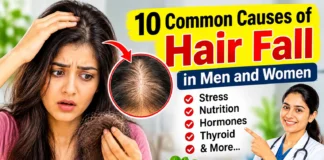
Hair fall is a common concern among men and women in India. Stress, nutritional deficiencies, hormonal changes, genetics, illness and damaging hair-care practices can all contribute to excessive shedding or thinning. The good news is that some causes are temporary or treatable.
To control hair fall, first identify why it is happening. Follow a balanced diet, avoid harsh hair-care practices, protect your scalp and seek a dermatologist’s advice if shedding is sudden, persistent or accompanied by visible thinning. Oils, shampoos and home remedies may support hair care, but they cannot treat every type of hair loss.
This guide explains the common causes of hair fall, practical ways to care for your hair, what medical treatments may help and when to seek professional advice.
Medical note: This article is for general education, not individual diagnosis or treatment. Hair loss has several possible causes. Consult a qualified dermatologist before starting medication or supplements.
How Much Hair Fall Is Normal?
Losing some hair every day is part of the normal hair-growth cycle. Around 50–100 hairs a day is commonly considered normal, although the amount can vary with washing, brushing and individual hair cycles.
Hair shedding is not always the same as hair loss:
- Normal shedding: Older hairs fall out as new hairs continue to grow.
- Excessive shedding: More hairs than usual enter the shedding phase, sometimes after illness, childbirth, major stress or rapid weight loss.
- Hair thinning: Hair density gradually decreases, the parting becomes wider or the hairline recedes.
- Hair breakage: Hair strands snap along their length, often because of heat, chemical treatments, friction or rough handling.
If you notice a widening part, receding hairline, bald patches or progressively visible scalp, do not assume it is ordinary shedding.
What Are the Main Causes of Hair Fall?
Understanding the cause is the first step towards choosing an effective solution.
1. Genetics and hereditary hair loss
Pattern hair loss is a common cause of gradual thinning in men and women. In men, it may begin with a receding hairline or thinning around the crown. In women, it often appears as widening of the central parting or reduced density over the top of the scalp.
Genetic hair loss can progress over time. Early assessment can help identify suitable treatment options.
2. Stress, illness and physical changes
Major physical or emotional stress can disturb the hair-growth cycle. Excessive shedding may appear a few months after:
- A high fever or significant infection
- Surgery or hospitalisation
- Childbirth
- Major emotional stress
- Rapid or substantial weight loss
- Severe calorie restriction
This type of shedding is often called telogen effluvium. It may improve when the trigger is addressed, but persistent shedding deserves medical assessment.
3. Nutritional deficiencies and restrictive diets
Hair needs adequate nutrition to grow. Insufficient protein, iron and certain other nutrients can contribute to hair problems.
People following crash diets, highly restrictive eating patterns or unbalanced vegetarian diets may be at risk of nutritional gaps. However, hair fall alone cannot confirm a vitamin or mineral deficiency.
A doctor may recommend blood tests based on your symptoms, diet and medical history.
4. Hormonal and medical conditions
Thyroid disorders, hormonal changes and some medical conditions can contribute to hair shedding or thinning. In some women, irregular periods, acne or increased facial hair alongside scalp thinning may warrant assessment for a hormonal condition such as polycystic ovary syndrome (PCOS).
Certain medicines and scalp conditions can also cause hair loss. Do not stop prescribed medication on your own; discuss possible side effects with your doctor.
5. Hair-care practices that damage hair
Frequent straightening, excessive heat, chemical treatments, tight hairstyles and rough brushing can weaken hair strands. Repeated pulling from tight ponytails, braids or buns can cause traction alopecia, which may become permanent if the pulling continues.
How to Control Hair Fall Naturally: 8 Practical Steps
Natural hair care can reduce avoidable damage and support general hair health. It cannot reverse every form of hair loss, particularly hereditary or inflammatory conditions.
1. Eat a balanced, protein-rich diet
Include a variety of foods that provide protein, iron and other essential nutrients.
Useful Indian food choices include:
- Protein: Dal, chickpeas, rajma, soybeans, tofu, paneer, curd, eggs, fish and chicken.
- Iron: Lentils, beans, leafy green vegetables, sesame seeds and meat.
- Vitamin B12: Dairy products, eggs, fish, meat and fortified foods.
- Healthy fats: Nuts, seeds and suitable vegetable oils.
- Vitamin C sources: Guava, amla, citrus fruits and other fresh fruits.
Pairing plant-based iron sources with vitamin C-rich foods can improve iron absorption. A balanced diet supports overall health, but no single food can guarantee hair regrowth.
2. Avoid crash diets and rapid weight loss
Severely restricting calories or losing weight rapidly can trigger excessive shedding. Choose a sustainable eating plan that provides adequate energy and nutrients.
If you are losing weight, aim for a balanced approach rather than extreme dieting.
3. Use a gentle shampoo and conditioner
Keep your scalp clean with a shampoo suited to your scalp and hair type. Apply conditioner after washing to reduce friction, tangling and breakage.
There is no universal rule that everyone must wash their hair a particular number of times per week. Adjust washing frequency to your scalp, activity and hair texture.
4. Reduce heat and chemical damage
Limit frequent use of straighteners, curling irons and high-temperature blow-dryers. Avoid repeated chemical straightening, relaxing or colouring if your hair is already fragile.
Use a lower heat setting when styling and allow hair to dry naturally when practical.
5. Avoid tight hairstyles
Frequently wearing tight ponytails, buns, braids or extensions can pull on the roots. Choose looser hairstyles and change styles regularly.
If you notice thinning around the hairline, reduce tension immediately and seek medical advice if it continues.
6. Handle wet hair gently
Wet hair can be more vulnerable to damage. Avoid aggressive towel rubbing and forceful brushing. Use a soft towel or microfiber towel, detangle gently and start at the ends when working through knots.
7. Manage stress and prioritise sleep
Stress can contribute to excessive shedding in some people. Regular physical activity, relaxation exercises, meditation and a consistent sleep routine can support general wellbeing.
These habits are not a standalone cure for genetic or medical hair loss, but they can help address some lifestyle-related triggers.
8. Avoid smoking
Smoking is harmful to overall health and may contribute to inflammation and poorer hair health. Stopping smoking is a positive step for your general wellbeing.
Which Foods Are Good for Healthy Hair?
A varied diet is more useful than relying on one so-called superfood.
| Food | Nutritional contribution |
|---|---|
| Dal, beans and chickpeas | Plant protein and iron |
| Eggs | Protein and vitamin B12 |
| Curd and milk | Protein and other nutrients |
| Spinach and leafy greens | Folate and non-haem iron |
| Amla, guava and citrus fruits | Vitamin C |
| Nuts and seeds | Healthy fats and minerals |
| Fish | Protein and, depending on the fish, omega-3 fats |
| Soybean and tofu | Plant protein |
Important: Eating these foods does not guarantee hair regrowth. If a deficiency or medical condition is contributing to hair loss, it needs appropriate assessment and treatment.
Which Vitamins and Minerals Can Affect Hair Health?
Nutrient deficiencies can contribute to hair problems, but taking supplements without a confirmed need is not a reliable treatment.
- Iron: Low iron stores may be relevant in some people with hair shedding.
- Vitamin B12: Deficiency can occur in people with limited intake of animal-derived foods or certain absorption problems.
- Vitamin D: Low levels may be associated with some hair-loss conditions, but the relationship is not the same for every person.
- Zinc: Deficiency can affect normal hair function.
- Protein: Inadequate protein intake can affect hair growth.
A dermatologist or doctor may suggest tests such as a complete blood count, ferritin or thyroid testing when your history and examination indicate a need.
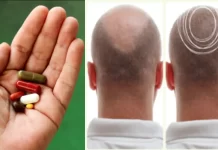
Avoid taking high-dose supplements simply because they are marketed for hair growth. Excessive intake of certain nutrients, including vitamin A, vitamin E and selenium, can actually worsen hair loss. Biotin supplements are not a universal solution and may interfere with some laboratory tests.
Do Hair Oils and Home Remedies Stop Hair Fall?
Hair oils can help condition hair, reduce dryness and improve manageability. Gentle application may make hair feel softer, but oiling is not a proven treatment for every cause of hair loss.
Consider these distinctions:
- Coconut oil: May help reduce protein loss from hair strands and improve conditioning. It does not reliably treat hereditary hair loss or hormonal causes.
- Amla oil: May condition hair, but strong clinical evidence that it reverses hair loss is limited.
- Onion juice: Evidence is limited and does not establish it as a general hair-loss treatment. It can irritate the scalp.
- Aloe vera: May feel soothing for some people, but it is not an established treatment for pattern hair loss.
- Hot-oil treatments: Avoid very hot oil, which can damage fragile hair or burn the scalp.
Stop using any product that causes itching, burning, redness or irritation. Do not apply irritating mixtures to broken or inflamed skin.
Medical Treatments for Hair Fall: What Actually Works?
The right treatment depends on the diagnosis. A dermatologist may examine your scalp, hair pattern and medical history. Blood tests or other investigations may be advised if a deficiency, hormonal problem, infection or medical condition is suspected.
Minoxidil
Topical minoxidil is used for certain types of hair loss, including pattern hair loss. It is not suitable for every cause, and the correct formulation and use depend on the individual.
Results take time. Some people need around 6–12 months to assess the response, and continued use is generally needed to maintain benefits. Discuss suitability, precautions and possible side effects with a dermatologist, especially if you are pregnant, breastfeeding or planning pregnancy.
Prescription treatments
A dermatologist may consider prescription treatments for particular types of hair loss. For example, finasteride may be considered for selected men with male pattern hair loss. It has important potential side effects and is not appropriate for everyone. Some prescription treatments are unsuitable during pregnancy or for people who may become pregnant.
Do not start oral hair-loss medicines without medical advice.
Treatment of the underlying condition
If hair loss is related to a thyroid disorder, iron deficiency, scalp infection, medication or another medical issue, addressing that cause may be central to treatment.
There is no single hair-fall medicine, oil or shampoo that works for everyone.
When Should You See a Dermatologist?
Arrange a medical assessment if you notice:
- Sudden or unusually heavy shedding
- Round or clearly defined bald patches
- A rapidly receding hairline or widening parting
- Hair loss with scalp pain, itching, redness, scaling or sores
- Loss of eyebrows, eyelashes or body hair
- Hair loss accompanied by fatigue, unexplained weight changes or other new symptoms
- Persistent or progressively worsening hair loss
Early assessment can help identify treatable causes and reduce the risk of ongoing damage. A dermatologist can also distinguish hair shedding from breakage and different forms of alopecia.
Frequently Asked Questions About How to Control Hair Fall
1. How can I control hair fall naturally at home?
Start with a balanced diet, adequate protein, gentle shampooing, conditioner, less heat styling and looser hairstyles. These habits can reduce avoidable damage, but persistent or patterned hair loss needs a diagnosis.
2. What is the main reason for hair fall?
There is no single main reason for everyone. Genetics, stress-related shedding, illness, nutritional deficiencies, hormonal conditions, medicines and damaging hair practices can all contribute.
3. How much hair fall is normal in a day?
Around 50–100 hairs per day is commonly considered normal. The number can vary, and visible thinning or bald patches matter more than counting every shed hair.
4. Which vitamin deficiency causes hair fall?
Low iron stores and deficiencies in certain nutrients, including vitamin B12, vitamin D or zinc, may contribute in some people. Testing and clinical assessment are needed before assuming a deficiency.
5. Does stress cause hair fall?
Significant physical or emotional stress can trigger a type of shedding called telogen effluvium. The increased shedding may become noticeable a few months after the stressful event.
6. Does coconut oil stop hair fall?
Coconut oil may condition hair and help reduce damage to the hair shaft. It is not a proven treatment for genetic hair loss, hormonal hair loss or other medical causes.
7. Which foods help maintain healthy hair?
Include protein-rich foods such as dal, beans, eggs, dairy, soy, fish or chicken, along with vegetables, fruits, nuts and seeds. A varied diet is more useful than relying on one food.
8. Can hair grow back after hair fall?
Regrowth depends on the cause. Some temporary shedding improves after the trigger is addressed, while hereditary or scarring forms of hair loss may require specialist treatment and may not fully reverse.
9. Does shampoo cause hair fall?
A suitable shampoo does not normally cause hair loss from the follicle. Harsh products, irritation and rough washing can contribute to breakage or scalp problems. Choose a gentle product suited to your scalp.
10. When should I consult a dermatologist for hair fall?
Consult a dermatologist if hair loss is sudden, patchy, persistent, worsening or associated with scalp symptoms. Early assessment is particularly important when the scalp becomes visibly thinner.
Final Takeaway: Identify the Cause Before Choosing a Treatment
The most effective way to control hair fall is to understand what is causing it. Good nutrition, gentle hair care, avoiding excessive heat and reducing damaging hairstyles can support healthy hair. However, persistent shedding, visible thinning and bald patches should not be treated with home remedies alone.
Avoid miracle claims and unnecessary supplements. A qualified dermatologist can help identify the type of hair loss and recommend a treatment plan suited to your needs.
Healthy hair care starts with informed choices, not expensive promises.