






















Did Khamenei order ‘shoot on sight’? Iran’s deadliest unrest since 1979 fuels global alarm as activists cite 2,500+ killed
Iran is facing its deadliest unrest since the 1979 Islamic Revolution, with activists alleging more than 2,500 people have been killed in a sweeping crackdown on nationwide protests. Rights groups and exiled media report that Iran’s Supreme Leader Ayatollah Ali Khamenei authorized the use of live fire against demonstrators, claims the government has not acknowledged. The crisis has drawn sharp reactions from the United States and renewed global scrutiny of Iran’s human rights record.
TEHRAN/DUBAI | Jan 14, 2026
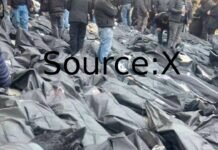
Iran is witnessing its bloodiest wave of unrest in more than four decades, as activists and rights groups report that more than 2,500 people have been killed during a nationwide crackdown on protests — a death toll that eclipses any episode of unrest since the 1979 Islamic Revolution.
The protests, which erupted in late December over Iran’s worsening economic conditions, have rapidly evolved into a direct challenge to the country’s theocratic leadership, including calls for the overthrow of Supreme Leader Ayatollah Ali Khamenei, according to footage and witness accounts reviewed by international media.
Activists allege ‘shoot on sight’ orders from the top
The U.S.-based Human Rights Activists News Agency (HRANA) said the number of people killed had reached at least 2,571 by early Wednesday, citing a network of sources across Iran. The group said thousands more have been injured or detained.
Exiled broadcaster Iran International, citing sources with knowledge of internal decision-making, reported that the use of live ammunition against protesters was carried out under direct orders from Khamenei, with the approval of the Supreme National Security Council and the heads of Iran’s three branches of government.
According to the report, the Islamic Revolutionary Guard Corps (IRGC) and the Basij militia led much of the crackdown. Iranian authorities have not publicly confirmed or denied issuing “shoot on sight” orders.
Authorities blame foreign powers as unrest deepens
Iranian officials have accused the United States and Israel of fomenting violence, characterizing protesters as “armed rioters.”
Ali Larijani, secretary of Iran’s Supreme National Security Council, warned Washington against intervention, writing on social media that the “main killers of the Iranian people” were U.S. President Donald Trump and Israeli Prime Minister Benjamin Netanyahu, according to the Associated Press.
Trump urges protesters to keep demonstrating
As reports of the growing death toll emerged, Trump used his Truth Social platform to urge Iranians to continue demonstrating.
“Iranian Patriots, KEEP PROTESTING – TAKE OVER YOUR INSTITUTIONS!!!” Trump wrote, adding that he had canceled all meetings with Iranian officials until what he called the “senseless killing of protesters” stops.
Hours later, Trump struck a more cautious tone, telling reporters that his administration was awaiting verified casualty figures before deciding on further steps. “It would seem to me they have been badly misbehaving,” Trump said of Iranian security forces, “but that is not confirmed.”
Iranian voices emerge as communications partially restored
After days of near-total communications blackouts, some Iranians were able to make limited international calls on Tuesday. Several residents of Tehran, speaking anonymously to the Associated Press for fear of reprisals, described a city under heavy security.
They said police and plainclothes intelligence officers were stationed at major intersections, while riot police patrolled streets wearing helmets and body armor and carrying batons, shields, shotguns and tear gas launchers. Internet access remained restricted to government-approved domestic websites.
Images and videos verified by news agencies showed graffiti and chants calling for Khamenei’s death — an offense that can carry the death penalty under Iranian law.
Starlink offers rare lifeline to the outside world
Activists said Starlink, the satellite internet service operated by Elon Musk’s SpaceX, has begun providing free connectivity inside Iran, offering one of the few remaining links to the outside world.
Mehdi Yahyanejad, a Los Angeles–based activist involved in facilitating access to the equipment, said the service had been successfully tested inside the country. “We can confirm that the free subscription for Starlink terminals is fully functional,” he said.
Iranian authorities shut down the country’s internet late last week as protests intensified, a tactic frequently used during periods of unrest to limit information flow.
A crisis echoing the revolution
The scale of violence and the scope of dissent have drawn comparisons to the chaos surrounding Iran’s 1979 revolution, which toppled the U.S.-backed Shah and brought the current Islamic Republic to power.
With no official casualty figures released, mounting allegations of state-sanctioned violence, and intensifying international pressure, analysts say Iran now faces one of the most severe legitimacy crises in its modern history.
Whether the leadership can regain control — or whether the protests mark a turning point — remains uncertain.